Tying hair without tension: comfortable styles and protecting the hairline
A good-looking style should feel comfortable too. Loosen tension at the edges and make room for Maria Lopez with Procapil 3.5% on a comfortable, intact scalp.
| A clear sign | Pain means the hairstyle is too tight |
|---|---|
| Where effects may appear | Edges or areas where hair is pulled |
| First action | Loosen the style and remove the pulling source |
| Thinning edges | Remove the pulling; serum does not reverse permanent follicle damage |
In this guide
Comfort belongs in a hairstyle from day one
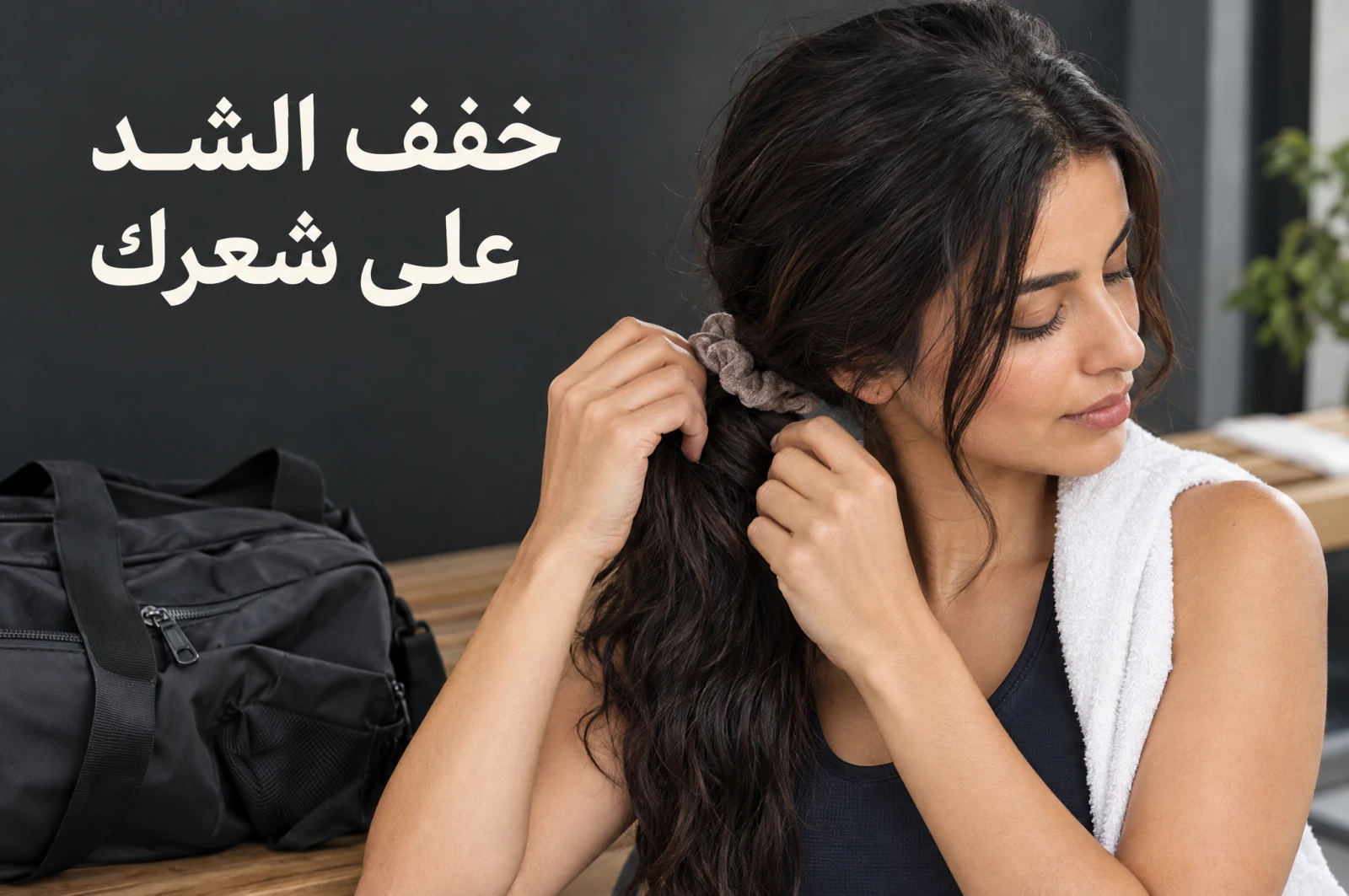
The AAD calls loss from repeated pulling traction alopecia. Ponytails, buns, or braids can strain hair if too tight. The style's name is not decisive; how it is done and whether it pulls the scalp matters. Pain or stinging during styling is a reason to stop and adjust. Before leaving, move your head normally and notice whether you keep raising your eyebrows or feel pulling. This checks comfort, not disease. Do not wait until pain becomes a familiar part of your day.
Prepare two easy alternatives for busy days
Choose, for example, a loose low tie or broad braid if length allows, instead of tightly gathering every hair. Use one fewer turn of the band if it holds, or try a non-pulling clip. These examples adapt to your hair; if pulling persists, change the method. Keep the second option in your bag or bathroom. When hair must be tied for work or sport, a suitable nearby band lets you adjust easily instead of enduring it because there is no alternative. Comfortable fastening is the aim, not one style for everyone.
With a hijab or any head covering, review what is underneath
The AAD advises comfortable tying under coverings and notes repeated friction can contribute to damage, especially with tension. Review the internal tie, pins, and rubbing edge; wearing a covering alone does not diagnose the cause of shedding. Try adjustments at home before a long day: can you loosen the tie while keeping the covering secure? Does the same spot pull every time? Take time to find a comfortable arrangement suited to your clothing without turning hair care into a conflict with personal choices.
Make comfort part of the plan at the salon
Before extensions or braids are fitted, explain that you want relaxed edges. If pain or stinging starts during fitting, stop and have the area loosened straight away; pain is not a sign of a secure result. Agree how you will clean your scalp and undo the style without pulling. Have a practical answer ready: how can you loosen the style if it pulls at home, and remove extensions without tugging? Do not tighten a painful area to hide a thin patch. Comfortable styling lets you enjoy the look without enduring constant pressure.
Change one habit for the situation that recurs
Choose your first adjustment from the situation that happens most often. If you pull your hair tight in the morning, prepare a looser option in advance. Under a head covering, check the tie beneath it before tightening the covering. These steps reduce pulling, but do not guarantee that an old bare area will fill in by itself.
| Situation | Practical adjustment | A sign to stop |
|---|---|---|
| Hair tied for work | Try a loose tie in a different position | Pain or persistent pulling |
| Head covering | Review the inner tie and friction | An area that stings or becomes irritated |
| Extensions or braids | Have the pulling loosened during fitting | Pain during or after installation |
After loosening the style, give your scalp its own care step
Broken hairs around the edges or bare areas where the hair is pulled are reasons to remove pressure at its source; prolonged traction can permanently damage follicles. More serum or firmer massage cannot reverse that damage. On a clean, intact scalp without wounds or inflammation, you can add Maria Lopez with Procapil 3.5%. The 50 ml bottle's dropper reaches between sections without tugging: distribute as directed, massage gently and leave in without rinsing. Stop and rinse gently if irritation occurs. If this comfortable routine suits you, find the Maria Lopez order form further down this same page.
Frequently asked questions
Are ponytails forbidden?
The issue is repeated tension. Choose a comfortable tie and loosen it if it pulls or hurts.
It only hurts on day one; should I endure it?
No. Ask for adjustment. Pain during or after styling is a reason to loosen tension, not proof of good fastening.
Does the same advice apply to men with long hair?
Yes. Traction relates to styling and the source of tension, not gender.
Does Maria Lopez replace loosening a tight hairstyle?
No. Removing the tension comes first. Afterwards, on a comfortable, intact scalp, serum can be a cosmetic care step; it does not repair permanent damage or justify keeping a painful style.
Order now
